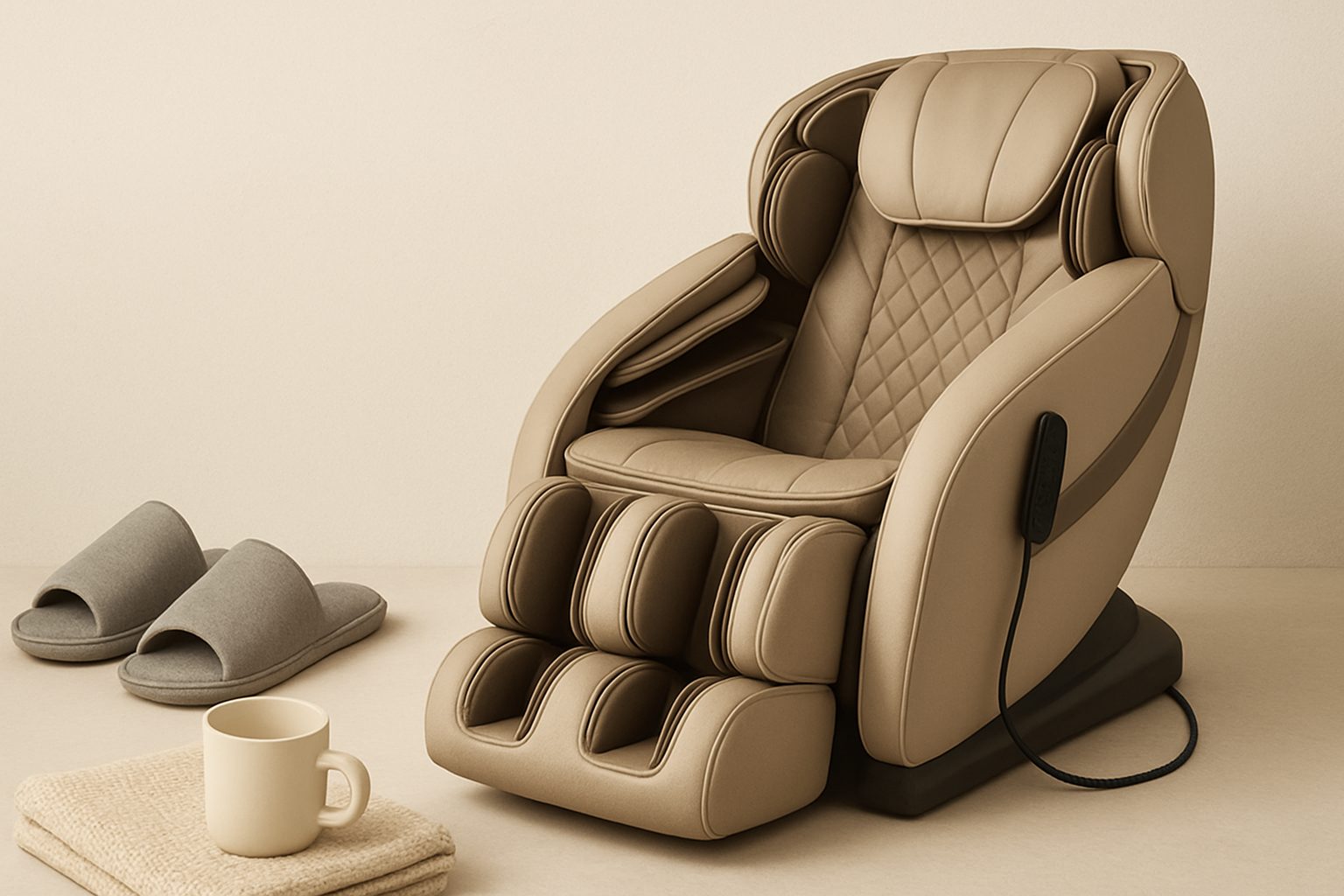
Best Massage Chairs for the Elderly UK: Safe, Easy-to-Use Models
Massage chairs can offer genuine relief for muscle tension, stiffness, and circulation problems common in older age. But not all massage chairs suit elderly users. Many are overcomplicated, difficult to operate, or positioned so low that getting in and out becomes a safety concern. Finding one that prioritises ease of use, comfort, and straightforward controls makes a real difference.
Why Massage Chairs Matter for Older Adults
As we age, muscle tension and joint stiffness often increase, particularly in the neck, shoulders, and lower back. Massage can improve blood flow, reduce muscle soreness, and provide therapeutic relief without medication. For people with limited mobility or those recovering from injury, a good massage chair at home removes barriers—no appointments, no travel, no embarrassment about needing help.
Beyond physical benefits, routine massage can improve sleep quality and reduce anxiety. For elderly people managing chronic pain or arthritis, a well-chosen chair becomes a practical wellness tool rather than a luxury.
Essential Features for Elderly Users
Simple, Intuitive Controls
A complicated remote with 50 buttons is worse than useless for someone with arthritis or vision changes. Look for chairs with:
- Large, clearly labelled buttons (not tiny touch panels)
- A simple power on/off and intensity dial or slider
- Voice control options (increasingly common on newer models)
- A tethered remote that won't get lost down cushions
Some chairs offer preset programmes—gentle, medium, strong—which let users pick one option rather than adjusting multiple settings.
Gentle Default Settings
Not all massage intensities suit older bodies. Look for models where:
- The default starting intensity is mild, not aggressive
- You can adjust speed and strength independently
- There's a dedicated "gentle" or "comfort" mode
- Heat can be toggled separately (warmth helps stiff joints, but some people find it uncomfortable)
Test the chair if possible, or check reviews specifically mentioning elderly users. A massage that feels rejuvenating to a 40-year-old might be uncomfortably strong for someone in their 80s.
Rise-and-Recline Function
This is crucial. A traditional recliner that flattens backward can trap someone with mobility issues. Instead, look for:
- Chairs that rise at the seat (lifting you forward and up)
- A gradual recline that tilts slightly rather than dramatically
- Sturdy armrests for leverage when standing
- Adequate seat height so feet touch the floor or a footrest when sitting upright
A rise-and-recline massage chair is more expensive than a basic model, but it transforms the chair from luxurious to genuinely useful.
Safety Certifications and Build Quality
Check for:
- CE marking (European safety standard)
- BS certifications (British Standards)
- A sturdy frame—look at weight capacity, typically 120–150kg for quality elderly-focused models
- Overheat protection (automatic shutoff if the chair gets too warm)
- Emergency stop button clearly marked
Read customer reviews mentioning durability. A £400 chair that breaks after two years is poor value compared to a £700 model built to last.
Types of Massage Chairs Suitable for Elderly Users
Reclining Massage Chairs: Full-length recliners with integrated massage zones (neck, back, lumbar, legs). Best if they feature rise-and-recline. Prices typically range from £500–£2,500 depending on features and build.
Massage Lift Chairs: Designed primarily as lift chairs with massage as a secondary feature. These prioritise safe entry/exit. Often the safest choice for people with significant mobility challenges. Typically £800–£3,000.
Compact or Portable Massagers: Smaller units you place on an existing chair. Less expensive (£100–£400) but require you to already have a comfortable, supportive chair. Useful if space or budget is very limited.
Practical Considerations
Space and Placement: Massage recliners need room to recline fully. Measure your space (including how far the footrest extends). Poor placement in a tight corner defeats the point.
Noise Level: Some chairs hum or whir during operation. If someone is light-sleeping or sensitive to noise, this matters. Check decibel ratings or reviews mentioning sound.
Maintenance: Leather or faux-leather is easier to clean than fabric. Check whether removable covers are available and whether the manufacturer offers spare parts.
Who's Buying: If you're buying as a gift, involve the recipient or at least understand their preferences. A chair that feels luxury to one person might feel impersonal to another. If they've never used a massage chair, suggest trying one in a shop first if possible.
Safety Tips
- Always read the instruction manual, even if it seems obvious
- Don't use the massage function immediately after meals
- Start with gentle settings and shorter sessions (10–15 minutes) to see how the body responds
- Avoid massage on areas of broken skin, bruising, or recent surgery
- If the chair causes pain or discomfort, stop and consult a GP before using it again
- Keep the remote tethered or in a designated spot so it doesn't become a trip hazard
Final Thoughts
A good elderly-focused massage chair combines practical design—easy entry, simple controls, sturdy build—with genuine therapeutic benefit. It's an investment, but for someone managing chronic stiffness or pain, it can improve daily quality of life substantially. Prioritise safety features and ease of use over flashy extras. A chair you can actually operate and get safely in and out of is infinitely better than an expensive model gathering dust in the corner.
More options
- Amazon UK – Best Massage Chairs (General) (Amazon UK)
- Amazon UK – Zero Gravity Massage Chairs (Amazon UK)
- Amazon UK – Shiatsu Massage Chairs (Amazon UK)
- Amazon UK – Budget Massage Chairs Under £500 (Amazon UK)
- Amazon UK – Luxury & Premium Massage Chairs (Amazon UK)